
Improving food access and a sense of community at Jeanne Sauve French Immersion Public School
Posted: July 9, 2026
Categories: nourish to flourish
 Our school is a French Immersion school in St. Catharines, serving approximately 560 students from diverse cultural and socioeconomic backgrounds in Grades 1 to 8. The school is located in St. Catharines which is a mid-sized city in the Niagara Region of Ontario, located between Toronto and Buffalo, New York.
Known as “The Garden City,” it is recognized for its parks, green spaces, and proximity to the Welland Canal and Niagara Falls. The city has a population of approximately 140,000 and serves as an important urban centre within the region. Its economy includes healthcare, education, manufacturing, tourism, agriculture, and retail. The community is increasingly diverse, with a growing number of newcomer families representing a wide range of cultural backgrounds.
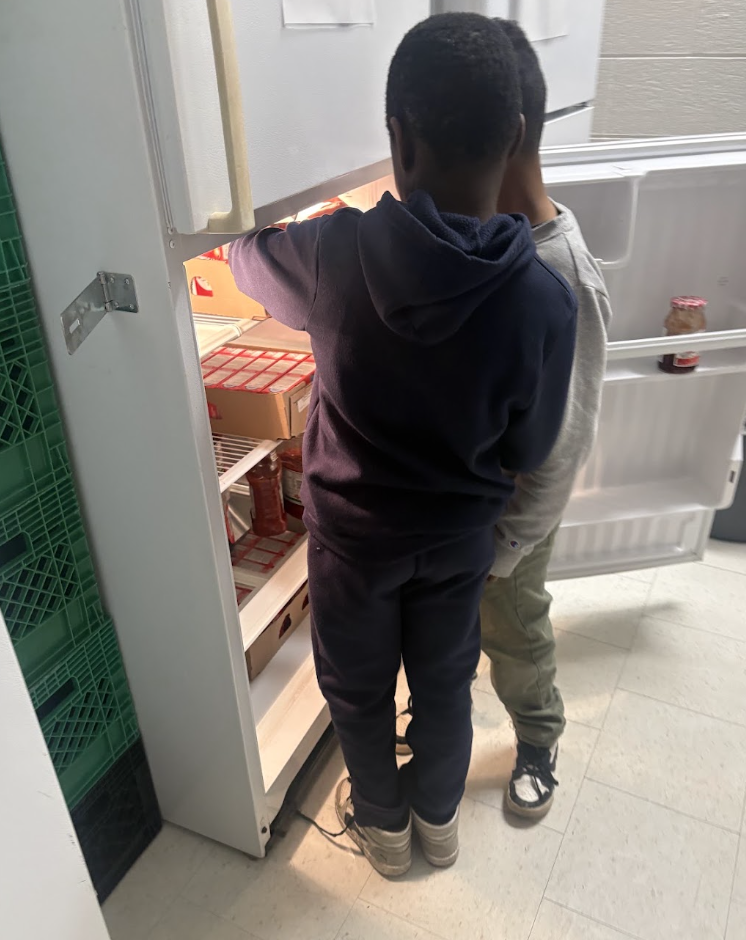
The impact of the “nourish to flourish” grant on our breakfast program has been significant, improving both the quality and accessibility of food provided to our students. Many students arrive at school without having eaten breakfast and with limited food in their lunch bags. With this additional funding, our school has been able to offer healthier and more nutritious breakfast options, including fresh fruits, dairy products, whole grains, and protein-rich foods. The grant has also ensured that students have consistent access to breakfast every Monday, helping to reduce food insecurity and support overall student well-being.
Beyond nutrition, the grant has had a positive impact on student learning and behaviour. Starting the school week with a healthy meal has helped students improve their ability to focus, participate in class, and regulate their emotions. As a result, we have seen improvements in engagement, concentration, attendance, and overall readiness to learn.
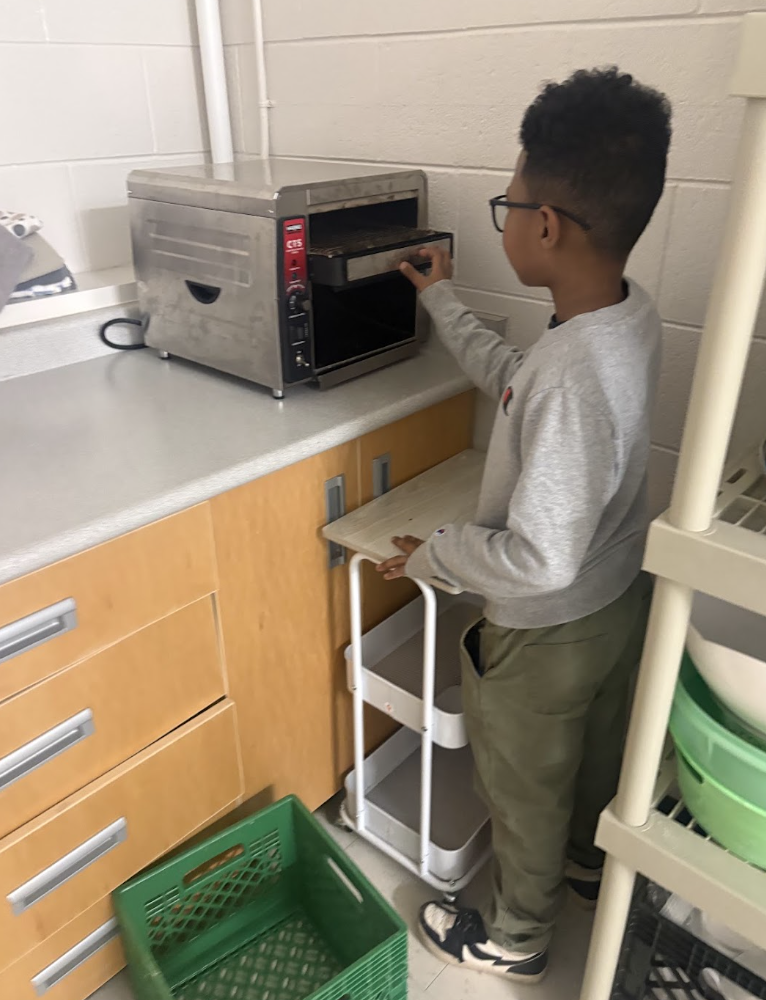 In addition, the grant has strengthened the sense of community within our school. It has supported the creation of a welcoming space in the cafeteria where students feel cared for and connected. We have also been able to involve parent and grandparent volunteers who help prepare and serve meals, allowing for meaningful intergenerational engagement with students.
A significant portion of the grant was used to purchase a dishwasher, which has greatly improved the efficiency of the program. This equipment allows volunteers to spend less time washing dishes and more time interacting with students and supporting the program. As a result, we are able to serve more students in a smoother and more organized way.
As one volunteer shared, “every meal we can serve to our students helps them start the day on the right foot. I love providing these meals for my grandson and his friends.”