
Addressing food insecurity and strengthening food literacy at Clarkson Public School
Posted: July 9, 2026
Categories: nourish to flourish
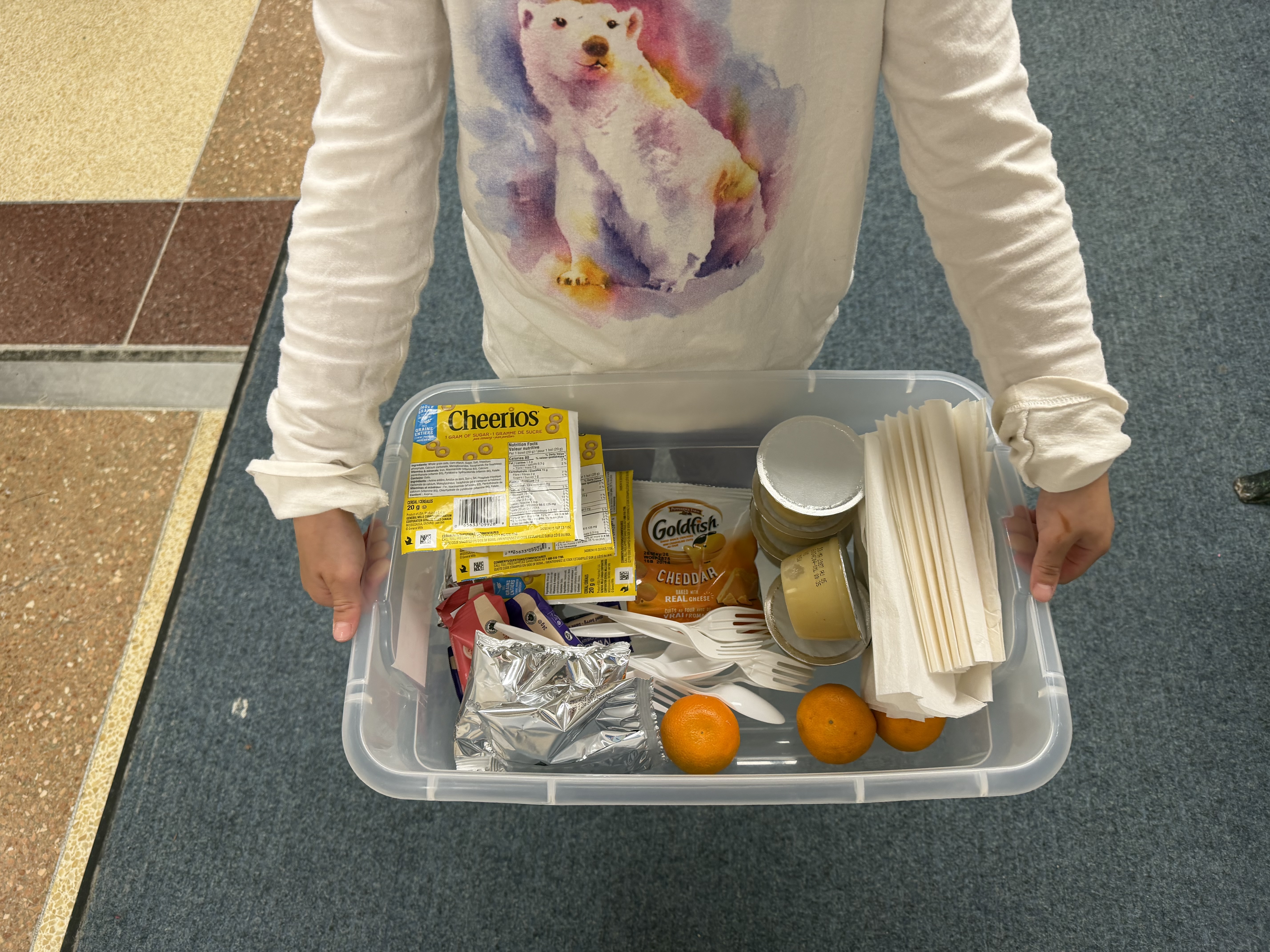 Clarkson Public School used the $1,000 “nourish to flourish” grant to purchase food items that directly supported the daily nutritional needs and well-being of our students. The funds were spent on fresh food, fruit, yogurt, and healthy snacks, which were distributed to students every day as part of our ongoing commitment to supporting student success and wellness where everyone had access to the food.
This initiative was especially important for students who are currently living in shelters or experiencing housing instability. For many of these students, consistent access to nutritious food is not guaranteed outside of school. By providing healthy snacks and food options during the school day, Clarkson helped reduce food insecurity and ensured that students could focus on learning without the distraction of hunger. The daily availability of food created a sense of safety, care, and belonging, reinforcing the message that our school is a supportive and inclusive space for all learners. Our students with special needs played an important leadership role of distributing healthy snacks daily to each class every morning.
In addition to meeting immediate nutritional needs, this initiative also supported food literacy learning. Staff engaged students in conversations about nutrition, including why certain foods help fuel the brain and body, the importance of balanced meals, and how food choices can support overall health. Students learned about whole foods, such as fresh fruits and minimally processed snacks, and why these options are beneficial compared to highly processed alternatives.
We also discussed the importance of local foods and where food comes from, helping students make connections between healthy eating, community, and sustainability. These discussions encouraged students to develop greater awareness of their food choices and empowered them with knowledge they can apply beyond the school setting.
Overall, the $1,000 investment had a meaningful impact by addressing food insecurity, supporting vulnerable students, and strengthening food literacy. The initiative aligned with Clarkson’s commitment to equity, student well-being, and creating conditions where all students are ready to learn.